If Your Home Technology Integrator Doesn’t Provide Documentation, You’re Working With the Wrong Integrator

Luxury residential projects run on documentation.

Architects issue drawing sets. Interior designers develop detailed specifications. Structural engineers define assemblies and loads. Builders coordinate execution from structured intent rather than improvisation.

So when technology is introduced into that environment without the same level of documentation discipline, it is a communication gap and a standards mismatch.

In high-end projects, technology systems touch architecture, interiors, lighting, shading, electrical, HVAC, millwork, and landscape. That level of integration requires the same foundational language the rest of the team is already using: coordinated drawings and engineering documentation that define scope before construction begins.

When that documentation is missing or not readily provided, the project shifts away from design-led coordination and toward field-led interpretation. And that is where complexity turns into cost, delay, and compromise.

This is why professional standards bodies, such as the Home Technology Association (HTA), explicitly define engineering documentation as a core requirement for luxury residential integration work. It’s part of what qualified technology integrators are expected to offer before installation begins. In other words, design and engineering documentation is a baseline indicator of your integration partner’s competence.

Increasingly, integrators charge for consultation and design. It’s the important and time-intensive first phase of services luxury integrators offer (their other two phases are installation and aftercare support).

Whether they charge upfront design fees or not, however, the verdict is the same: If an integrator cannot produce clear, structured documentation early in the design process, they are not participating at the same level as the rest of the design team.

What Proper Integration Documentation Actually Represents

In well-executed projects, documentation is the mechanism that enables technology to coexist with architecture and interiors without conflict.

It defines how systems exist within the built environment before anything is constructed. That includes spatial requirements, infrastructure pathways, and coordination with other trades whose work is equally fixed and precise.

At this level, the most qualified integrators have moved beyond the role of merely installing equipment to become valuable design partners who engineer how technology systems fit into the architecture without disruption. Including:

  • Device placement coordinated with architectural intent and reflected ceiling plans
  • Equipment room layouts with power, cooling, and service clearances defined
  • Low-voltage infrastructure plans aligned with electrical, HVAC, and millwork coordination
  • Prewire, blocking, and mounting requirements resolved before framing conflicts occur
  • Cross-trade coordination notes that prevent ceiling, wall, and finish conflicts in the field

The practical outcome is fewer assumptions, change orders, project delays, and late-stage design compromises.

More importantly, design documentation ensures that technology decisions are made during design development, when changes are inexpensive, rather than during construction, when they are not.

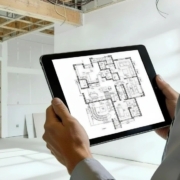
The HTA Design Partner program clearly defines the HTA’s standards for the types of design and engineering documentation needed for the design and build team, including: the prewire plan, electrical requirements, framing requirements, device placement drawings, equipment rack drawings, Wi-Fi heat maps, cooling requirements, and shade pocket requirements.

Visit the HTA Design Partner page to learn more about these types of drawings.

Documentation capability like this is a key distinction between competent home technology integrators and everyone else. At the luxury home level, the question is not whether technology gets installed correctly; it is whether it was ever properly designed into the project in the first place.


Find an HTA Certified Home Technology Integrator

The Home Technology Association’s mission is to help homeowners and home design & building professionals find the most qualified home technology installation firms for their home construction projects. To find an HTA Certified integrator near you, visit our directory.


If you are enjoying this content, please subscribe to the free HTA Home + Tech Design newsletter using the button at the top of this page for practical guidance on planning technology earlier in luxury residential projects

Touchless Service

Touchless support and remote repair of your home system was a pipe dream just a few years ago. But since 2017, remote access products and solutions started to hit the market. Today, we can do 80% of your home technology system updates, maintenance and repairs right from our office. No appointments, no visits. Your system is now smart enough to tell us when it’s having issues – without you needing to notify us.

With all these new capabilities, We’re enhancing our remote and support plans to include new benefits including 24/7/365 staffing with response time that’s measured in minutes. We”ll be reaching out to you over the coming weeks and months to choose a support plan for your home. If you’d like to be first up for the new services, just give us a call at 301-424-5573.

Netflix. Zoom. Network.

Netflix! Zoom! Parent Portals! Hoorah! Who knew we’d all have to be techies just to get our kids to school and watch a movie at home! Not complaining… I really don’t miss running out to Blockbuster Video to rent a movie. Now, it’s all at our fingertips. And the overly long ‘snow day’ that’s keeping our kids at home, yet still learning, is only possible because of a variety of advanced technologies, and of course, high-speed internet. But let me be clear, all of the new tech we enjoy and depend on, requires a proper home network. Dead zones, drop-outs, slow speeds… are no longer acceptable. Got issues? We got the answers.

From a fast wireless upgrade to a full enterprise-grade home network, we have the gear, the knowledge and reasonable prices to get you the WiFi you need. We’ve stocked our warehouses with extra supplies and our trucks with plenty of cabling. Most important, we are parents and work-at-home business people too. Give us a call at 301-424-5573, we’re here to help.

If Technology Isn’t Discussed in Schematic Design, the Project Is Already Behind

Luxury homes are evolving rapidly. Lighting systems now shape mood and wellness. Shades are integrated into the architecture and design. Outdoor environments rival resorts. Networks support everything from security and entertainment to remote work and energy management.

Yet many projects still treat technology as something to “figure out later.”

That approach no longer works.

By the time framing begins, many of the most important technology decisions have already been made—whether intentionally or accidentally. Equipment locations, lighting control strategies, Wi-Fi coverage, shade pockets, speaker placements, rack ventilation, conduit pathways, and infrastructure requirements depend on decisions that should ideally happen during schematic design, not after.

When technology planning is delayed, projects begin absorbing avoidable risk almost immediately.

The Hidden Cost of Waiting

Most project teams would never postpone discussions around HVAC, plumbing, or structural engineering until construction documents are complete. Technology, however, is often treated differently, despite becoming one of the most interconnected systems in the modern home.

When technology enters the conversation too late, the consequences tend to show up everywhere else:

  • Compromised aesthetics
  • Last-minute change orders
  • Insufficient power or cooling
  • Poor Wi-Fi performance
  • Visible devices and wiring
  • Inadequate equipment space
  • Lighting and shading coordination issues
  • Budget surprises
  • Construction delays

In luxury residential projects, these problems are rarely isolated. One missed technology conversation can ripple across multiple trades.

A shade pocket impacts drywall and ceiling details. A hidden television affects millwork and framing. A lighting control keypad impacts electrical planning and interior design. Outdoor audio, security, and networking require coordination long before landscaping begins.

Technology is no longer a standalone category. It is infrastructure.

The Best Projects Plan Technology Early

The highest-performing projects tend to share one thing in common: the technology integrator is brought in during schematic design, not after the house is already engineered.

This early collaboration allows the project team to coordinate:

  • Low-voltage prewire and conduit pathways
  • Equipment room size and ventilation
  • Lighting control locations
  • Motorized shading requirements
  • High-performance lighting fixtures
  • Audio/video concealment strategies
  • Network and Wi-Fi planning
  • Exterior technology infrastructure
  • Dedicated power and cooling
  • Future-ready cabling
  • Coordination with electrical, HVAC, millwork, and lighting trades

Just as importantly, early planning protects the architectural and interior design vision. Good technology should complement the home, not compete with it.

Documentation Changes Everything

One of the clearest indicators of a professional technology firm is documentation.

Detailed drawings and engineering documents help architects, designers, builders, and subcontractors coordinate before problems appear in the field. They clarify intent, reduce assumptions, improve pricing accuracy, and help preserve schedule integrity.

Without documentation, technology often becomes reactive. Decisions move from the drawing set to the jobsite. That usually means more site visits, more revisions, and more compromises.

If your home technology partner doesn’t provide documentation, that’s a huge red flag. The earlier the technology is documented, the smoother the project tends to run. HTA’s article on the importance of technology documentation in today’s luxury homes goes deeper into the subject.

The Integrator’s Role Has Changed

The stereotype of the “AV guy” showing up late in construction with televisions and remotes is increasingly outdated.

Today’s leading technology integrators are often involved in lighting systems, shading, networking, wellness technologies, security, outdoor entertainment, energy management, and infrastructure planning. In many luxury projects, integration firms function as both technology consultants and system integrators.

That role only works when collaboration starts early.

Technology Is Now Part of the Architecture

Modern homes are expected to deliver seamless experiences. Homeowners want lighting, entertainment, comfort, security, and connectivity to feel intuitive and invisible. That outcome rarely happens by accident.

The most successful projects treat technology the same way they treat every other critical design discipline: as something that deserves thoughtful planning from the very beginning.

Because if technology isn’t discussed during schematic design, the project is probably already behind.

Stay tuned for our next newsletter, in which we will discuss the importance of home technology documentation in detail.

Subscribe to the free HTA Home + Tech Design newsletter for practical guidance on planning technology earlier in luxury residential projects


Find an HTA Certified Home Technology Integrator

The Home Technology Association’s mission is to help homeowners and home design & building professionals find the most qualified home technology installation firms for their home construction projects. To find an HTA Certified integrator near you, visit our directory.
We Monitor, Update and even Fix your System from our Offices.

The future of home technology is here today. Our systems are so smart that they can tell us what is needed for optimal performance and we can do many of the updates and fixes remotely, without having to visit your home. In fact, over two-thirds of our service work can now be done remotely. We can tell whether most of your network connected devices are up and running, the health of connected devices and whether your Internet service is up or down and even if you are getting all the speed you are paying for.
All of our newly installed systems come with remote capability. We can retrofit the technology into many existing systems as well. Our performance and service plans include a wide variety of benefits for your peace of mind. Call 301-424-5573

Entertaining Outdoors

There’s no time like now to be outside. Our customers are investing more than ever before into their outdoor entertainment areas. TV, music, WiFi – even outdoor theaters… it’s all great fun.
With the wide range of products All About Sound & Video, Ince offers placing the video screen is a matter of picking the spot you’d like to sit and calculating shadows and light.
When it comes to music in the yard, there are a few considerations. That’s because, when you have a large outdoor entertaining space with more than one seating area, there is not much for the sound to reflect. There are no walls or ceilings to place speakers and there is nothing to contain the sound; so there is nothing stopping it from being dissipated over the size of the area. if you want to achieve sound in all areas of the backyard, there are two choices. Add a pair of large speakers that you play loud, or choose an option that provides an even level of sound across your outdoor living space. Although the first option may peek the interest of some, keep in mind that your neighbors will not be thrilled and your friends sitting closest to the speakers will not be able to hold a conversation, while the ones furthest away will barely hear them.
AASV has fabulous solutions for all of your outdoor entertaining. Please contact us for a free consultation. Call 301-424-5573